

Above is a before look at 2655 Clay St, San Francisco.
Step into an empty room for a second. It’s spotless. It’s silent. And it’s… confusing. Where does the sofa go? Will a king bed fit? Why does the space suddenly feel smaller than it looked online? If you’ve ever had that moment of “Wait… what am I looking at?” buyers feel it too. And those tiny, split-second hesitations? They cost real money.
That’s the danger of empty rooms: they create questions instead of confidence.
And in real estate, confusion is the enemy of conversion. This is exactly why furnishing a rental or listing isn’t just a design perk, it’s a strategic move that helps buyers understand the space, visualize their life in it, and make decisions faster. Because at the end of the day, clarity sells. Empty rooms don’t.
Why Empty Rooms Don’t Sell The Story
According to both Architectural Digest and House Beautiful , buyers don’t typically have a thing for measurements. They are ultimately searching for the ideal meaning and purpose behind an empty space. Buyers rarely find meaning or purpose in empty rooms; however, providing a furnished staged space is the only way buyers can visualize themselves living within a home. Many buyers will not think to ask for “a 12×14 bedroom,” but instead are looking for:
- a) A peaceful retreat.
- b) A corner for casual reading..
- c) A place for slow mornings and warm evenings
The furniture creates the purpose of that space, which in turn creates an emotional connection for a buyer. Emotion is what motivates a buyer to purchase a home; without emotion, a buyer is not compelled to make an offer on a property.
The transformation of empty rooms into beautiful and desirable spaces is evident within the real-world. Companies like Sayde Mark Designs transform empty spaces into must see locations.
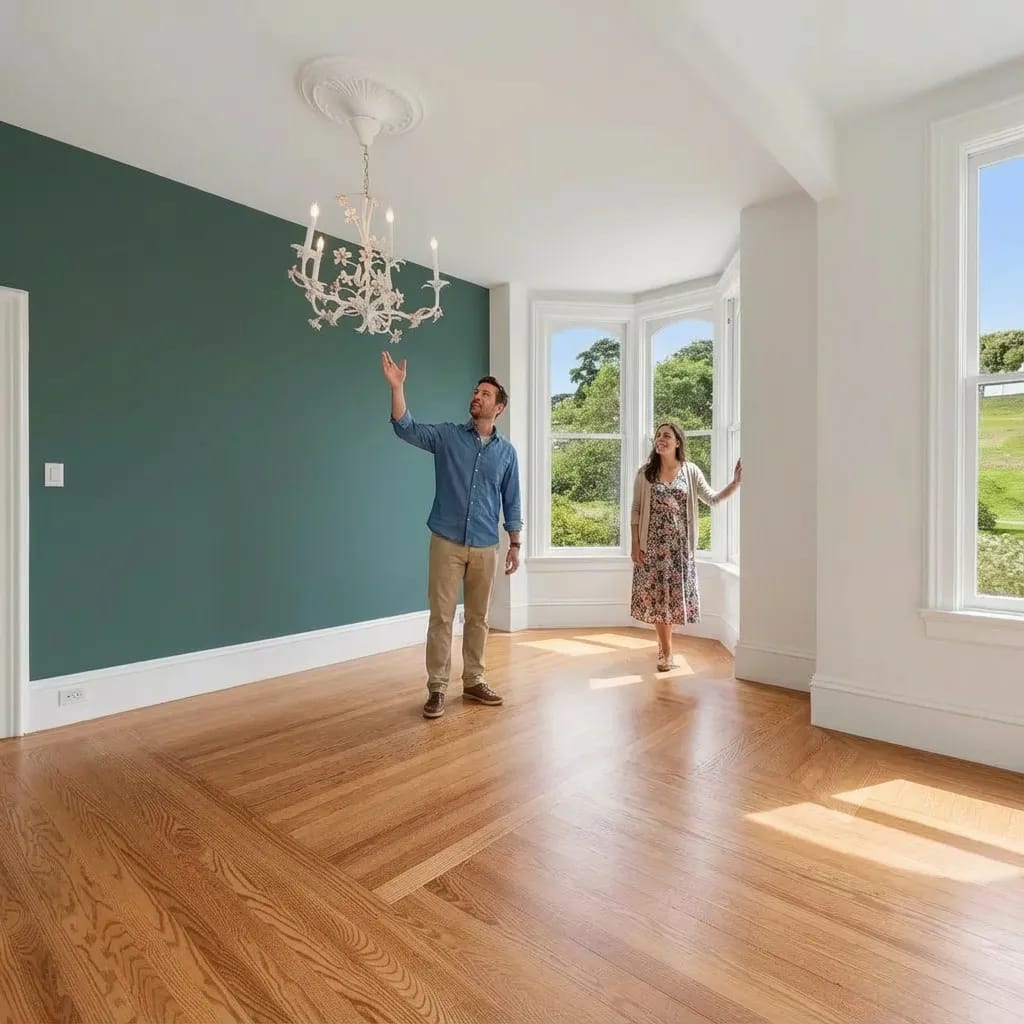
The Problem with Empty Rooms: Perception Isn’t Reality
According to insights featured in Dwell, empty spaces often:
- They look smaller than they are.
- Feel colder and less inviting.
- Confuse buyers on furniture placement.
- Fail to highlight key architectural features.
Buyers can’t envision the size of furniture in an empty room; they’re unlikely to have the creativity it would take to create something that works for their needs. So how do you show buyers exactly how their new home will look? Staging. When you think about the creative use of space, then add furniture, colour and pattern in a living environment, that’s where staging is at its best. In San-Francisco companies like Sayde Mark Designs does an excellent job with their residential staging service as they have incorporated many layers and textures into their designs and every piece of furniture has purpose.
Buyers can’t envision the size of furniture in an empty room…
Why Furnished Staging Helps Buyers Make Faster Decisions
Humans process visual information 60,000x faster than text (as quoted by many marketing studies). Meaning: A well-staged room communicates its purpose instantly.
According to features in Veranda, staged homes consistently:
- Sell faster.
- Photograph better.
- Generate higher emotional engagement.
- Reduce buyer hesitation.
- Increases offer strength.
“Staging removes doubt. Doubt kills offers.”
It tells the buyer:
“This is where life happens. This is where you belong.”
It reduces mental effort, increases clarity, and boosts confidence in the buying decision, the exact formula Story Brand teaches. Furnished staging isn’t decoration, it’s psychology.
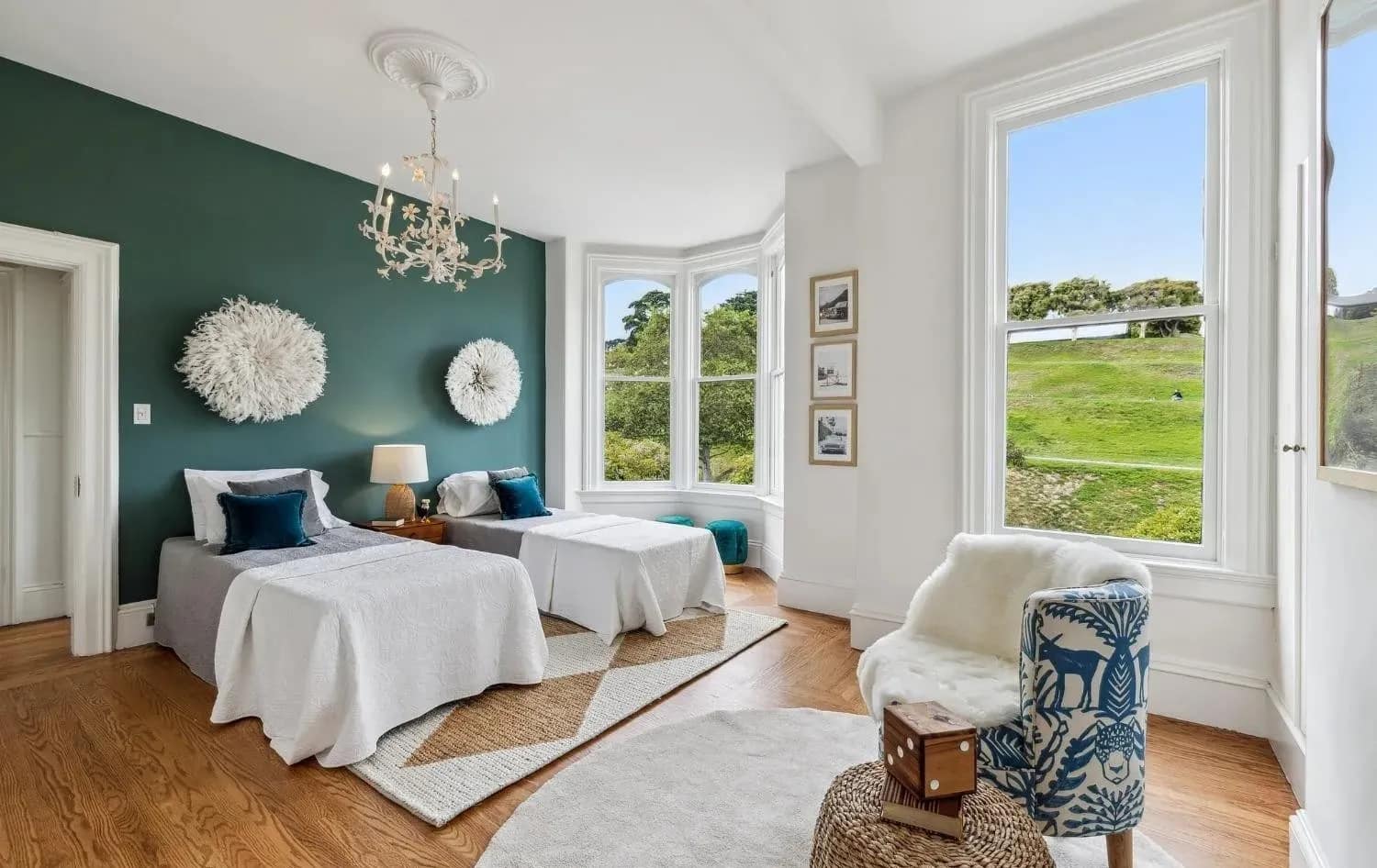
Furnished Rooms Tell a Story
Insights highlighted in Architectural Record underline a key truth: Humans are emotional decision-makers first, logical decision-makers second.
A staged room says:
“This is where your morning coffee goes.”
“This is where game nights happen.”
“This is your life, right here.”
Great design isn’t just aesthetic, it’s experiential. And the gap between looking and feeling is exactly where furnished staging wins every time.